
Why Dirty Ovens Fail Final Inspection in Melbourne (2026 Guide)

Updated: Aug 4
Introduction
Moving out of a rental property in Melbourne?
At PG Cleaning Group, we've cleaned hundreds of end of lease properties across Melbourne's south-east. One pattern we've consistently noticed is that tenants often focus on visible kitchen surfaces while overlooking the hidden grease inside the oven, around the door seals and inside the rangehood filters.
In this guide, we'll explain why dirty ovens frequently receive cleaning comments, what property managers usually inspect, and how tenants can prepare before handing back the keys.
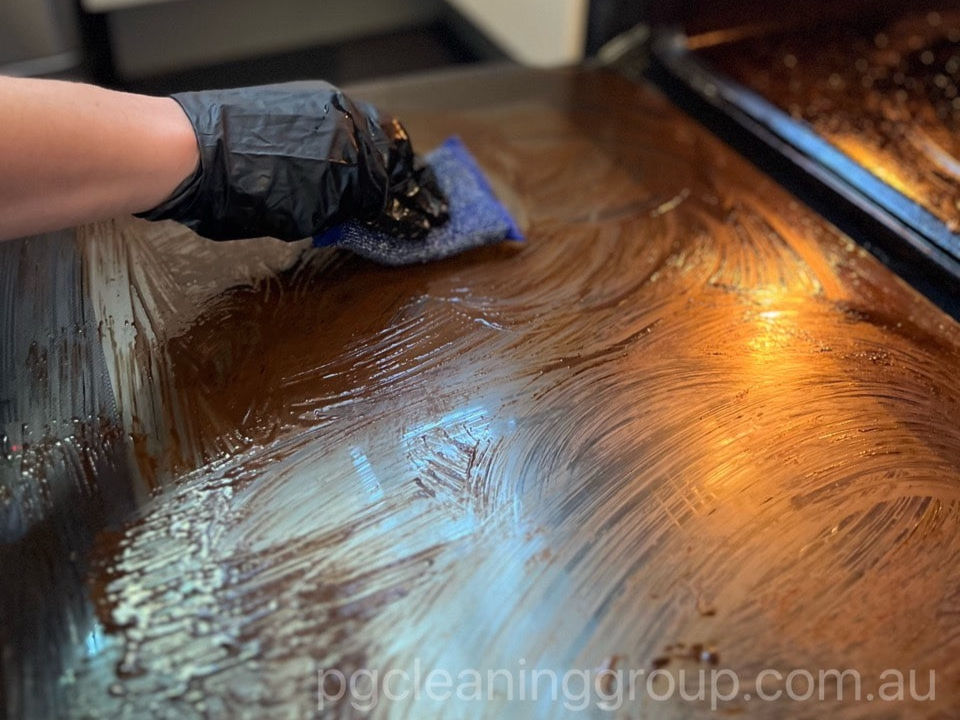
Why Property Managers Pay Close Attention to Ovens
Property managers don't simply check whether an oven looks clean from the outside. During many final inspections, the oven door is opened and the interior, racks and door seals are visually inspected for grease and burnt food residue.
Unlike kitchen benchtops, ovens collect grease and burnt food every time they're used.
Over months or years of cooking, this residue becomes baked onto the interior surfaces, making it much harder to remove with ordinary household cleaners.
Because ovens are expensive appliances, property managers usually inspect them carefully to ensure they have been returned in a reasonably clean condition.
During a typical final inspection, the oven is often inspected immediately after kitchen cupboards and benchtops.
The Parts of an Oven That Are Commonly Inspected
Many tenants think cleaning the oven simply means wiping the inside.
In reality, property managers usually inspect several different areas.
These commonly include:
Oven floor
Side walls
Rear fan cover
Heating elements
Oven door glass
Door seals
Oven racks
Baking trays
Hinges
Rangehood filters nearby
Grease hidden around these areas is one of the most common reasons tenants receive requests for additional cleaning.

The Most Common Reasons Dirty Ovens Fail Final Inspection
1. Heavy Carbon Buildup
Burnt food gradually turns into thick carbon deposits that ordinary kitchen sprays rarely remove.
These black patches are usually the first thing visible when the oven door is opened.
2. Dirty Oven Door Glass
Many tenants clean only the outside of the glass.
Property managers usually look through the glass into the oven, making grease streaks and cloudy residue easy to spot.
3. Greasy Oven Racks
Oven racks collect cooking oils over time.
If they have never been soaked or scrubbed, they often remain sticky even after surface wiping.
4. Greasy Rangehood Filters
Rangehood filters trap airborne cooking grease every day.
Because they are hidden, they are one of the most commonly forgotten parts of the kitchen.
5. Grease Around Door Seals and Hinges
Grease often builds up around the edges of the oven door where cloths cannot easily reach.
These small details are surprisingly noticeable during a close inspection.
Real Cleaning Example from Melbourne

During a recent end of lease clean in Melbourne's south-east, the tenant believed the kitchen was ready for the final inspection because the benchtops, cupboards and sink had already been cleaned.
However, after opening the oven, we found heavy carbon deposits on the oven floor, baked-on grease around the door seals and cooking residue on the oven racks. The rangehood filters also contained a noticeable buildup of grease from everyday cooking.
After removing the racks, soaking them in a professional degreasing solution and thoroughly cleaning the oven interior, door glass and filters, the kitchen was restored to a much cleaner condition before the final inspection.
Situations like this are common. Many tenants spend time cleaning the visible areas of the kitchen but underestimate how closely ovens are inspected during the end of lease process.
Professional Tip
In many final inspections, tenants often spend most of their cleaning time on the oven interior while forgetting the oven door seals, hinges and rangehood filters.
These hidden areas are among the most common places where property managers notice grease during a final inspection.
Using a torch to inspect these areas before handing back the keys can help identify grease that may not be obvious under normal lighting.
Common Mistakes Tenants Make Before a Final Inspection
Some of the most common mistakes we see include:
Only wiping the visible oven surfaces
Forgetting the oven door seals
Leaving grease inside the oven door glass
Not removing the oven racks before cleaning
Forgetting the rangehood filters
Assuming the oven won't be opened during the inspection
Avoiding these common mistakes can make it much easier to prepare the kitchen before handing back the keys.
How We Clean Heavily Soiled Ovens
Heavy oven cleaning is very different from everyday kitchen cleaning.
When an oven has not been cleaned regularly during the tenancy, surface wiping is usually not enough to remove baked-on grease and carbon residue.
Our typical cleaning process includes:
Applying a professional oven degreaser
Removing and soaking oven racks and trays
Scrubbing baked-on grease and carbon deposits
Cleaning the inside and outside oven door glass
Degreasing door seals and hinges
Cleaning oven corners and hidden edges
Removing grease from the oven floor and side walls
Cleaning nearby rangehood filters where required
Completing a final inspection under bright lighting
The exact process varies depending on the condition of the oven, but heavily soiled ovens often require significantly more time than many people expect.

When Is a Dirty Oven Considered More Than Fair Wear and Tear?
Many tenants ask whether grease inside an oven is simply fair wear and tear.
Generally, heavy grease buildup, burnt food residue and sticky cooking oils are considered cleaning-related issues, rather than normal ageing of the appliance.
According to Consumer Affairs Victoria, renters are generally expected to leave a rental property in a reasonably clean condition, taking into account fair wear and tear.
While every tenancy is different, ovens with excessive grease, burnt residue or neglected cleaning may receive inspection comments if they are not returned in a reasonably clean condition.
If you're unsure what "reasonably clean" means for the rest of the property, read our Melbourne Final Inspection Checklist for a complete room-by-room guide before moving out.
Frequently Asked Questions
Can a dirty oven affect my bond?
It can. If the property manager considers the oven not to be reasonably clean, you may be asked to arrange additional cleaning before the final inspection is completed.
Do property managers remove oven racks during an inspection?
Many do. Oven racks, trays, door seals and oven door glass are commonly inspected because grease often accumulates in these hidden areas.
Is burnt grease considered fair wear and tear?
In most situations, heavy grease buildup, burnt food residue and sticky cooking oils are treated as cleaning issues rather than fair wear and tear. Consumer Affairs Victoria recommends returning the property in a reasonably clean condition, allowing for normal wear and tear.
How long does professional oven cleaning usually take?
It depends on the condition of the oven. Lightly used ovens may take less than an hour, while heavily soiled ovens with carbon buildup often require considerably longer because racks, trays and filters usually need separate soaking and degreasing.
Is professional oven cleaning always necessary?
Not always. If the oven has been cleaned regularly throughout the tenancy, many tenants are able to prepare it themselves. However, heavily used ovens often require significantly more time and effort to achieve an inspection-ready standard.
Preparing for Your Final Inspection?
PG Cleaning Group provides inspection-focused end of lease cleaning across Melbourne's south-east, including Clayton, Oakleigh, Cheltenham, Mount Waverley and surrounding suburbs.
Our team pays close attention to the kitchen areas that property managers commonly inspect, including ovens, oven racks, rangehood filters, cooktops and other hidden grease-prone areas.
Check your exact end of lease cleaning price instantly online, or contact us for a personalised quote. 📞 Call: 0416 711 327



Comments