
What Is Fair Wear and Tear in Victoria Rental Properties? (2026 Guide)
Updated: May 18

Moving out of a rental property in Victoria can be stressful — especially when preparing for end of lease cleaning in Melbourne before final inspection.
One of the most misunderstood parts of end of lease inspections is the difference between fair wear and tear and tenant-caused cleaning or damage issues.
In many Melbourne rental inspections, bond disputes are not caused by major property damage, but by overlooked cleaning issues, built-up grime, stains, mould, or areas tenants assumed were “normal wear.”
After attending hundreds of Melbourne end of lease cleans and inspections, we’ve seen what property managers commonly focus on — and what tenants most often misunderstand during final inspection.
What Does Fair Wear and Tear Mean in Victoria?
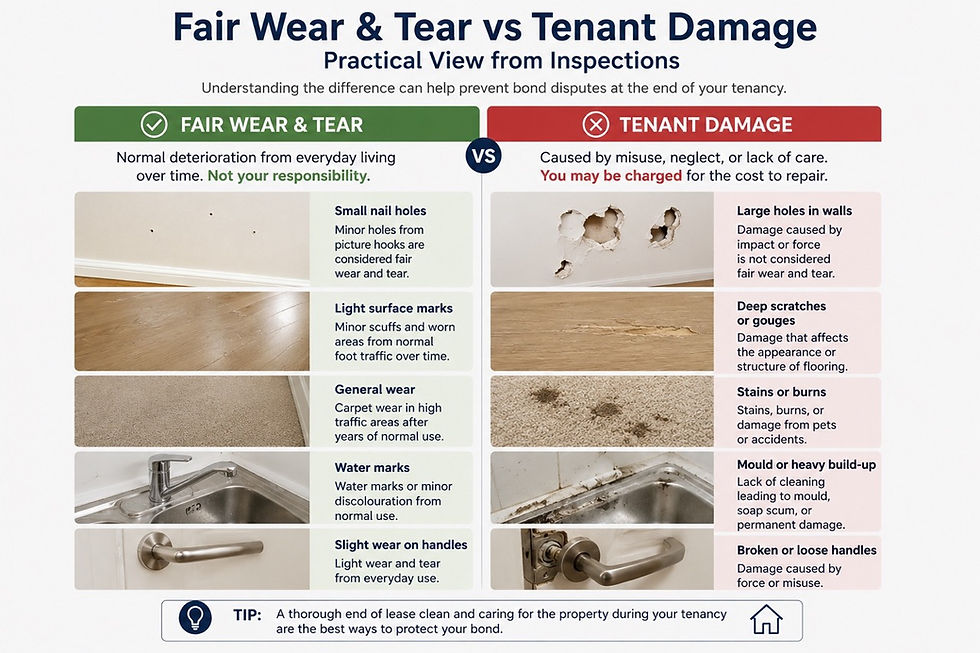
Fair wear and tear Victoria generally refers to the natural deterioration of a property caused by normal everyday living over time.
This may include:
Minor wall scuffs
Carpet wear in high-traffic areas
Slight fading from sunlight
Loose handles from age
Small nail holes
Normal ageing of paint or grout
According to Consumer Affairs Victoria guidelines, renters are generally expected to return the property in a reasonably clean condition, taking fair wear and tear into account.
Fair wear and tear is usually different from:
Poor cleaning
Neglect
Accidental damage
Pet damage
Heavy staining
Excessive grease or mould buildup
Fair Wear & Tear vs Tenant Damage – Practical Inspection Examples
Area | Usually Accepted as Fair Wear & Tear | Often Flagged During Inspection |
Carpet | Light traffic wear, natural fading | Large stains, burns, pet odours |
Walls | Minor scuffs, small picture hook holes | Heavy grease marks, deep scratches |
Kitchen | Normal bench wear over time | Thick oven grease, sticky cupboards |
Bathroom | Minor grout ageing | Black mould, soap scum buildup |
Windows & Glass | Minor exterior dust | Dirty tracks, fingerprints, nicotine film |
Outdoor | Natural weather exposure | Excessive dirt, neglected balcony areas |
Inspection outcomes can vary depending on the property condition, tenancy length, and the original entry report.
What Melbourne Property Managers Usually Focus on During Final Inspection
From our experience attending Melbourne rental inspections, property managers often focus more heavily on cleanliness and presentation than tenants expect.
Many tenants only realise this after a failed inspection. You can also read our guide on what happens if you fail final inspection in Melbourne.
The most commonly checked areas include:
Oven interiors and rangehood filters
Shower screens and bathroom grout
Window tracks
Cupboards and drawers
Carpet stains
Skirting boards
Fingerprints on walls and switches
Dust behind doors and appliances
Many tenants clean visible surfaces but overlook detail areas that become obvious during inspection lighting.
Real Inspection Example: What Actually Gets Flagged
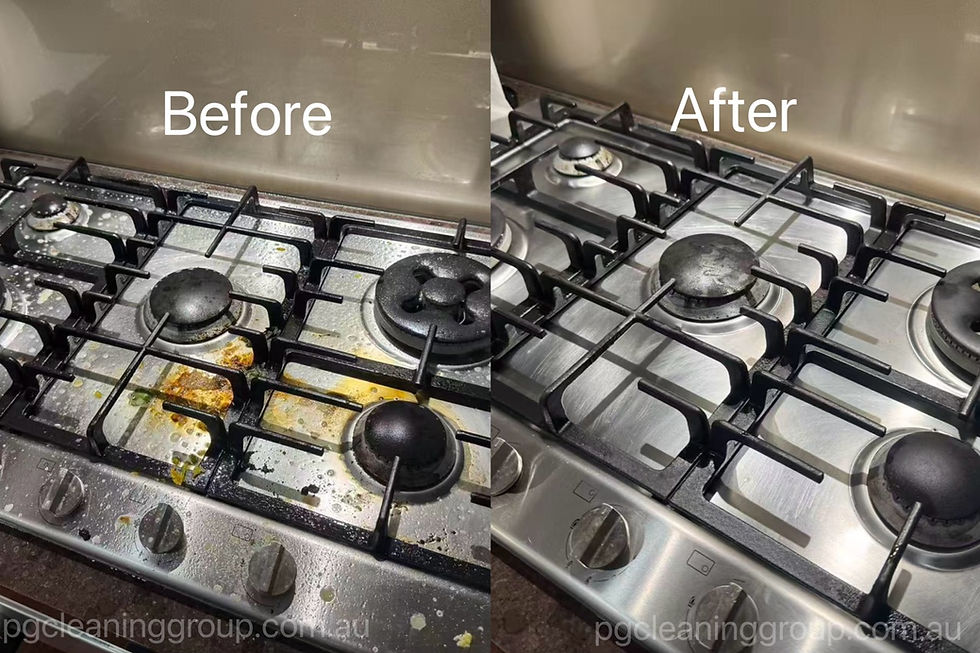
Recently, we attended a Melbourne final inspection where the tenant believed the property condition was mostly fair wear and tear.
However, the property manager mainly flagged:
Grease around the stovetop
Dust inside kitchen drawers
Soap scum on shower glass
Dirt buildup along window tracks
None of these were considered major damage issues — but they still affected the inspection outcome because the property was not considered reasonably clean.
After a detailed re-clean, the property passed inspection the following day.
Areas Tenants Most Commonly Misunderstand
Kitchen Grease
Many tenants believe older grease marks are normal wear. In reality, heavy grease buildup around ovens, splashbacks, and rangehood filters is commonly treated as a cleaning issue.
Bathroom Mould
Minor ageing of grout may sometimes be acceptable, but black mould caused by poor ventilation or lack of cleaning is frequently flagged during inspections.
Carpet Wear vs Carpet Stains
Natural traffic wear is usually different from:
Food stains
Pet accidents
Strong odours
Heavy embedded dirt
This is why carpet steam cleaning is commonly recommended before final inspection.
Wall Marks
Light scuffs may fall under fair wear and tear, but greasy fingerprints, excessive marks, or damage around furniture areas may still raise inspection concerns.
Why Proper Cleaning Still Matters
A detailed end of lease clean does not “hide” property condition — it helps present the property clearly and allows fair wear and tear to be assessed more accurately.
In our experience, many bond disputes happen because dirt, grease, mould, or hidden grime make the property appear poorly maintained.
Professional end of lease cleaning can help reduce the risk of:
Re-clean requests
Cleaning-related bond deductions
Inspection delays
Misunderstandings about property condition
End of Lease Cleaning Areas Often Missed by Tenants
The most commonly overlooked areas include:
Rangehood filters
Behind toilets
Shower screen soap scum
Window tracks
Exhaust fans
Skirting boards
Inside cupboards
Under sinks
Behind appliances
Balcony corners

These are often the difference between a property looking “generally clean” and “inspection ready.”
These are also common issues discussed in our end of lease cleaning checklist Melbourne guide.
Final Tips Before Returning Your Rental Property
Before your final inspection, it’s a good idea to:
Compare the property with your entry condition report
Remove all rubbish and personal items
Check kitchens and bathrooms carefully
Clean hidden detail areas
Review carpet condition
Take final photos after cleaning
Keep receipts for any professional cleaning services
Preparing early usually gives tenants a smoother inspection process and fewer cleaning-related issues.
Frequently Asked Questions
Can landlords charge for dirty walls?
Minor scuffs may sometimes be considered fair wear and tear, but excessive grease, stains, fingerprints, or heavy marks may still lead to cleaning claims.
Is mould considered fair wear and tear?
Minor ageing or slight discoloration may differ from severe mould caused by poor ventilation or cleaning neglect.
Do I need professional carpet steam cleaning?
Some lease agreements may require professional carpet steam cleaning, especially for pet-friendly properties.
What areas are most commonly missed during end of lease cleaning?
Commonly missed areas include window tracks, rangehood filters, shower grout, exhaust fans, skirting boards, and inside cupboards.
Need Help Preparing for Final Inspection?
PG Cleaning Group provides inspection-focused end of lease cleaning across Melbourne, including Clayton, Cheltenham, Oakleigh, Glen Waverley, and surrounding suburbs.
Our cleaning focuses on commonly inspected areas such as ovens, bathrooms, carpets, tracks, and hidden detail areas that tenants often miss before final inspection.
📞 Call: 0416 711 327
👉 Check your exact end of lease cleaning price instantly online.


Comments