
Why End of Lease Cleaning Fails in Melbourne (Top 7 Mistakes to Avoid in 2026)
Updated: Aug 8
Introduction
Moving out of a rental property in Melbourne?
Many tenants are surprised when a property that appears clean still receives cleaning-related comments during the final inspection.
In most cases, the issue isn't that the property is obviously dirty. Instead, it's often a combination of small details that have been overlooked, such as grease inside the oven, soap scum on shower screens, dust in window tracks or fingerprints on frequently touched surfaces.
During a final inspection, property managers usually compare the property's condition with the original entry condition report. Rather than looking only at whether the home appears tidy, they often inspect kitchens, bathrooms and other high-use areas for cleaning-related issues that may have been overlooked.
Because of this, cleaning standards during a final inspection are often much higher than the standard of everyday household cleaning. Areas that tenants rarely think about during regular cleaning may become the reason for re-clean requests before the bond is released.
This guide explains the most common reasons end of lease cleaning fails in Melbourne, what property managers typically look for during an inspection, and how tenants can reduce the risk of additional cleaning requests before handing back the keys.
Why End of Lease Cleaning Commonly Fails
End of lease cleaning differs from routine household cleaning because final inspections focus on detail rather than appearance alone.
Property managers often inspect areas that are rarely cleaned during normal household routines, including inside ovens, rangehood filters, shower screens, window tracks, skirting boards and light switches. These are often the areas that determine whether a property is considered inspection-ready.
Rather than looking for one major problem, inspectors often notice several smaller issues throughout the property. Individually these may seem minor, but together they can indicate that the property has not been returned in a reasonably clean condition.
According to Consumer Affairs Victoria, renters are generally expected to return the property in a reasonably clean condition, taking into account fair wear and tear. While normal ageing of the property is expected, avoidable grease, soap scum, food residue, dust and other cleaning-related issues may still be identified during the final inspection.
As a result, many failed inspections are caused not by one serious cleaning issue, but by a series of overlooked details across different rooms.
The Areas Most Commonly Missed During Final Inspection Preparation
Some areas are overlooked more frequently than others during end of lease cleaning.
These commonly include kitchens, bathrooms, window tracks, skirting boards, light switches and other frequently touched surfaces.
The next section explains why these areas are among the most common reasons properties receive cleaning comments during a final inspection.

Top 7 Mistakes That Cause End of Lease Cleaning to Fail
Most end of lease cleaning issues aren't caused by one major mistake. More often, they result from several small cleaning tasks being overlooked throughout the property.
Below are seven of the most common reasons properties receive cleaning comments during a Melbourne final inspection—and how you can avoid them.
1. Leaving Grease Inside the Oven and Rangehood
The kitchen is usually one of the first areas inspected during a final inspection, and the oven often receives closer attention than many tenants expect.
While the outside of the oven may appear clean, grease commonly remains inside the oven, around the door seals, on the racks and inside the rangehood filters. These hidden areas gradually collect cooking oils and burnt food residue throughout the tenancy.
Because they are not part of most people's regular cleaning routine, they are frequently overlooked until inspection day.
If your oven hasn't been cleaned for several months, it's worth allowing extra time before moving out, as heavily built-up grease often requires more than a quick wipe.
If you'd like a more detailed guide, we've explained exactly what property managers look for in Why Dirty Ovens Fail Final Inspection in Melbourne. We also cover one of the most commonly overlooked kitchen items in Why Dirty Rangehood Filters Fail Final Inspection in Melbourne.

2. Underestimating Bathroom Cleaning
Bathrooms often appear clean at first glance, but they are one of the most closely inspected rooms during a final inspection.
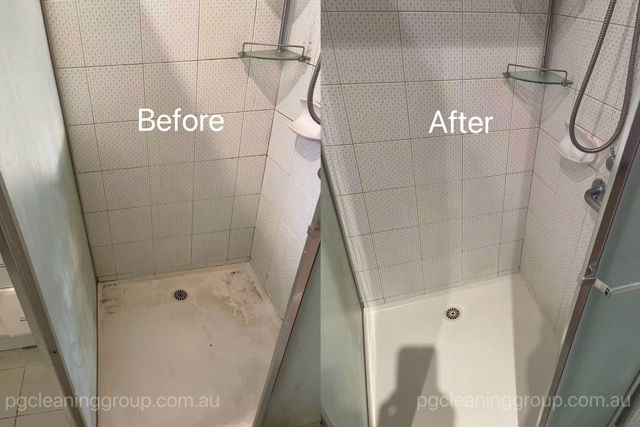
Soap scum on shower screens, mould around silicone, water stains on fittings and residue between tiles are among the most common cleaning issues identified by property managers.
Many of these problems develop gradually over time, making them easy to overlook during everyday cleaning.
Paying attention to shower screens, grout lines, corners and bathroom ventilation areas can significantly improve the overall presentation of the room.
If you'd like to learn more, we've created separate guides explaining Why Bathroom Mould Fails Final Inspection in Melbourne and Why Shower Screens Fail Final Inspection in Melbourne.

3. Forgetting the Stovetop
Many tenants clean the benchtops but spend very little time on the stovetop itself.
Grease around burner caps, control knobs, splashbacks and the edges of the cooktop can become highly visible under inspection lighting.
Even a modern kitchen may receive cleaning comments if grease has accumulated around these frequently used cooking areas.
A few extra minutes spent cleaning the cooktop properly can make a noticeable difference during the final inspection.
Our article How Real Estate Agents Inspect Greasy Stovetops explains which parts of the cooktop agents most commonly check.

4. Missing Hidden Dust Collection Areas
Some of the easiest places to forget are also the easiest for inspectors to notice once the property is empty.
Window tracks collect dust, leaves and insects over time, while ceiling corners often accumulate cobwebs that are difficult to see during everyday living.
Although these areas may seem minor, together they can create the impression that the property hasn't been cleaned thoroughly.
Walking through the property from room to room before the inspection can help identify these hidden areas.
If you're preparing your own end of lease clean, our guides on Why Dirty Window Tracks Fail Final Inspection and Why Cobwebs and Ceiling Corners Fail Final Inspection provide practical tips on what to look for.

5. Ignoring Small High-Touch Surfaces
One of the biggest differences between regular cleaning and end of lease cleaning is attention to detail.
Door handles, light switches, power points, cupboard handles and skirting boards are touched every day, yet they're often forgotten during move-out cleaning.
These surfaces only take a few minutes to wipe down, but they are among the first places where fingerprints, dust and grime become noticeable during a detailed inspection.
We cover these commonly missed details in Why Dirty Skirting Boards Fail Final Inspection and Why Dirty Light Switches and Power Points Fail Final Inspection in Melbourne.

6. Rushing the Final Clean
Many tenants leave end of lease cleaning until the last day before handing back the keys.
When time is limited, it's easy to focus on the obvious areas while overlooking smaller details that may later appear on the inspection report.
Working through the property one room at a time is usually far more effective than cleaning everything quickly at the last minute.
Our Complete Melbourne Final Inspection Checklist can help you organise your cleaning and reduce the chance of missing important areas.
7. Not Following a Room-by-Room Cleaning Plan
One of the most common reasons inspections fail is simply the lack of a structured cleaning process.
Instead of checking each room systematically, many tenants move randomly around the property, making it easy to overlook cupboards, internal windows, wardrobes or other less obvious areas.
A room-by-room checklist helps ensure every area receives the same level of attention before the inspection.
If you're unsure what should be included in a professional end of lease clean, our guides on What Does End of Lease Cleaning Include? and the Complete Melbourne Final Inspection Checklist explain what is typically expected before handing back the property.
Real Cleaning Examples from Melbourne Final Inspections
Passing a final inspection isn't just about cleaning the obvious areas. During many end of lease inspections, property managers look closely at the small details that are easy to overlook during everyday cleaning.
Below are a few real examples from end of lease cleaning projects completed across Melbourne's south-east. Each example highlights a common area that can attract inspection comments if it isn't cleaned thoroughly before handing back the keys.
Example 1: Marks and Dust on Walls
In one property, the walls looked relatively clean while the home was furnished. After the tenant moved out, natural light made built-up dust and marks beneath the windows much more noticeable.
Although these marks weren't severe enough to require repainting, they still needed detailed cleaning before the property was ready for inspection.
This is a common situation during end of lease cleaning, particularly in bedrooms and living areas where furniture has covered sections of the wall for long periods.

Example 2: Hidden Dust Inside Exhaust Fans
Bathroom exhaust fans are easy to forget because they sit above eye level.
However, during detailed inspections, accumulated dust inside the cover can be clearly visible. In this property, the fan required removal, washing and detailed cleaning before it was ready for the final inspection.
Hidden fixtures like these are often missed by tenants focusing only on visible bathroom surfaces.

Example 3: Dusty Window Blinds
Window blinds gradually collect airborne dust throughout a tenancy.
Because they are viewed against natural light, even a thin layer of dust becomes highly visible once the property is empty. Cleaning each slat individually is time-consuming, which is why blinds are frequently left until the last minute—or forgotten altogether.

Example 4: Frequently Touched Surfaces
Handrails, door handles and other high-touch surfaces collect fingerprints, body oils and everyday dirt over time.
Although these areas may not appear heavily soiled, property managers often run their hands along handrails or inspect them closely during the final walkthrough.
Cleaning these details helps present the property in a well-maintained condition.

Professional Tip
Before handing back the keys, inspect the property as though you were the property manager. Looking at each room slowly often reveals small cleaning issues that are easy to miss during everyday cleaning.
What Property Managers Commonly Check During a Final Inspection
Although every rental property is different, most property managers follow a consistent inspection process during a final inspection.
Rather than looking at one room in isolation, they usually assess the property as a whole, paying attention to both the overall presentation and the smaller details that are easy to overlook during everyday cleaning.
The table below outlines some of the areas that commonly receive attention during an end of lease inspection.
Area | Common Inspection Focus |
Kitchen | Oven, cooktop, rangehood filters, splashbacks, cupboards |
Bathroom | Shower screens, mould, grout, taps, exhaust fans |
Living Areas | Floors, skirting boards, light switches, door handles |
Bedrooms | Wardrobes, window tracks, blinds, walls |
Laundry | Sink, cupboards, floors |
Outdoor Areas | Balcony, garage, courtyard, cobwebs |
Before You Hand Back the Keys
Before handing back the keys, take one final walk-through of the property from the perspective of the property manager.
Rather than checking only the obvious surfaces, look closely at the small details that are commonly overlooked during end of lease cleaning.
For a complete room-by-room guide, read our Melbourne Final Inspection Cleaning Checklist (2026 Guide) before your inspection.
Frequently Asked Questions
Can I fail my final inspection because of cleaning?
Yes. If the property isn't returned in a reasonably clean condition, the property manager may request additional cleaning before the bond is finalised.
Is professional end of lease cleaning legally required?
Not always. However, tenants are generally expected to return the property in a reasonably clean condition, allowing for fair wear and tear.
Which rooms are most likely to receive cleaning comments?
The kitchen and bathroom are the most common, particularly ovens, shower screens, rangehood filters and grout.
What do property managers usually inspect?
They commonly inspect kitchens, bathrooms, floors, skirting boards, window tracks, light switches, door handles and other frequently touched or easily overlooked areas.
Can I clean the property myself?
Yes. Many tenants do, provided the property is cleaned thoroughly and meets the standard expected at the final inspection.
What if I miss something during the inspection?
The property manager may ask you to return and rectify the cleaning or arrange professional cleaning before the bond is released.
Final Thoughts
Most failed final inspections are caused by several small cleaning issues rather than one major problem.
Preparing early, allowing enough cleaning time and inspecting the property carefully before handing back the keys can significantly reduce the likelihood of additional cleaning requests.
Need Help Preparing for Your Final Inspection?
Preparing a rental property for a final inspection often takes more time than tenants expect, especially when detailed areas such as ovens, bathrooms and window tracks require extra attention.
PG Cleaning Group provides inspection-focused end of lease cleaning throughout Melbourne's south-east, helping tenants prepare their properties to a high cleaning standard before handing back the keys.
You can check your exact cleaning price instantly online or contact us for a personalised quote.
📞 Call: 0416 711 327


Comments