
Why Dirty Window Tracks Fail Final Inspection in Melbourne (2026 Guide)


Moving out of a rental property in Melbourne? Many tenants spend hours cleaning kitchens and bathrooms but completely overlook one small area that property managers often notice straight away — window tracks.
From our experience doing end of lease cleaning across Melbourne South East, dirty window tracks are one of the most commonly missed inspection areas, especially around sliding doors, bedroom windows, and balcony tracks.
Even if the rest of the property looks relatively clean, built-up dust, mould, dead insects, hair, or grime inside tracks can still raise concerns during final inspection.
Our Melbourne Final Inspection Checklist highlights other commonly overlooked areas that can affect your final inspection, helping you prepare every room before returning the keys.
Why Property Managers Pay Attention to Window Tracks
Window tracks are small, but they are easy to inspect closely.
During Melbourne final inspections, property managers often check tracks because dirt buildup is easy to photograph and compare against the original condition report.
In apartments and townhouses, balcony sliding door tracks are especially common problem areas because they collect:
Dust
Hair
Dead insects
Moisture
Mould
Outdoor debris
Many tenants wipe visible surfaces but forget deep corners inside tracks where grime builds up over time.
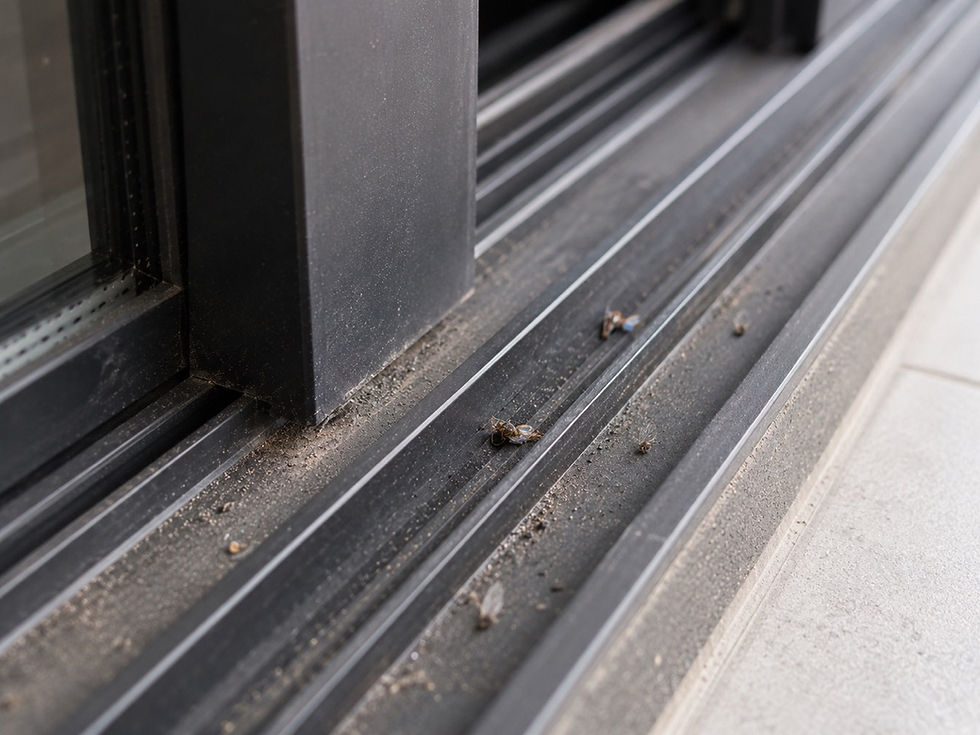
What We Commonly See During Final Inspections
From our experience, tracks often look “fine” from above but still contain hidden buildup deep inside corners.
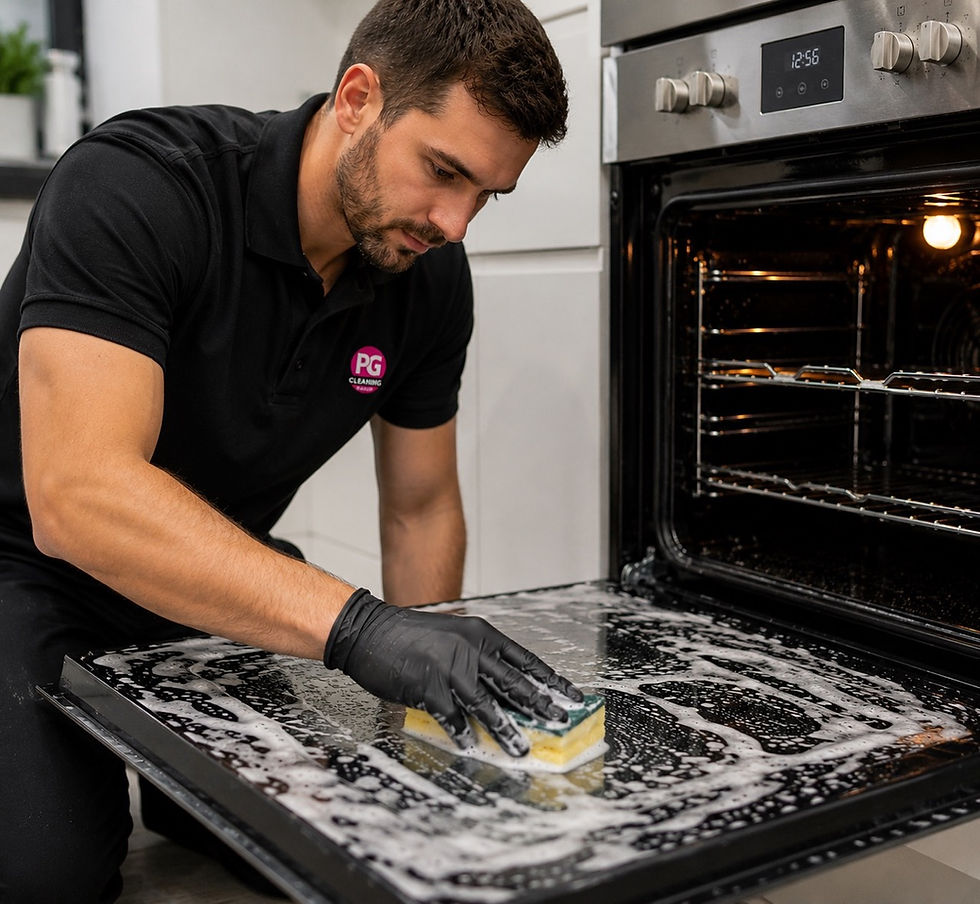
Window tracks aren't the only area commonly flagged during final inspections. Kitchens are another major focus, especially when dirty ovens fail final inspection in Melbourne.
Property managers sometimes use phone torches during inspection, especially near windows with strong natural lighting. Even small amounts of dust or mould become highly visible once light hits the tracks directly.
We commonly see issues such as:
Black mould in corners
Thick dust buildup
Dead insects trapped in tracks
Sticky residue
Dirt inside drainage holes
Hair and pet fur buildup
These details may seem minor, but they can still affect the overall presentation of the property during inspection.

Are Dirty Window Tracks Considered Fair Wear and Tear?
In most cases, heavy dust, grime, mould, or debris inside window tracks are usually treated as cleaning-related issues rather than fair wear and tear.
Fair wear and tear generally refers to normal ageing that happens naturally over time.
However, visible dirt buildup inside tracks may still raise inspection concerns if the property is not returned in a reasonably clean condition.
It's important to understand the difference between cleaning issues and normal ageing. Our guide to Fair Wear and Tear in Victoria Rental Properties explains what tenants are generally responsible for before moving out.
Why Window Tracks Are Commonly Missed During Cleaning
Window tracks are easy to overlook because they are narrow, hidden, and difficult to clean properly without detailed tools.
Many tenants:
Vacuum visible areas only
Miss deep corners
Leave moisture behind
Forget balcony tracks completely
Clean glass but ignore the tracks underneath
Tracks near kitchens and bathrooms also collect grease and moisture more quickly than standard bedroom windows.
Real Inspection Example from Melbourne
Recently, we attended a Melbourne final inspection where the apartment itself appeared generally clean, but the property manager raised concerns about black buildup and insect debris inside the balcony sliding door tracks.
The kitchen, carpets, and bathrooms had already been cleaned properly, but the tracks were still flagged because the dirt buildup was clearly visible under natural light.
After detailed cleaning of the tracks and window frames, the inspection issues were resolved later the same day.

How to Clean Window Tracks Properly Before Final Inspection
A proper window track clean usually involves more than simple wiping.
The process often includes:
Vacuuming loose dust and debris
Using a detailing brush to loosen buildup
Wiping corners with a damp microfibre cloth
Drying the tracks completely
Cleaning surrounding frames and sills
For heavier buildup, mould, or sticky residue, stronger cleaning products and deeper scrubbing may be needed.
When Professional End of Lease Cleaning Helps
DIY cleaning can work for light dust and minor buildup, but professional cleaning is often helpful when tracks contain:
Mould
Heavy grime
Insect buildup
Pet hair
Long-term dust accumulation
Tracks, frames, sills, and sliding door corners are some of the most commonly missed areas during end of lease cleaning.
This is why many tenants choose professional end of lease cleaning before final inspection — especially for apartments with large balcony doors or older window frames.
If cleaning issues are identified during inspection, here's What Happens If You Fail Final Inspection in Melbourne and how tenants usually resolve the problem.
What areas near windows are commonly missed?
Property managers commonly notice:
Sliding door tracks
Window corners
Frames
Sills
Flyscreen edges
Balcony door runners
Frequently Asked Questions
Can dirty window tracks affect my bond refund?
They can contribute to cleaning-related inspection concerns, especially if visible dust, mould, or debris is present during final inspection.
Are window tracks part of end of lease cleaning?
Yes. Window tracks are commonly included in detailed end of lease cleaning checklists.
Are dirty tracks considered fair wear and tear?
Usually not. Heavy dust, grime, mould, and debris are generally treated as cleaning issues rather than normal ageing.
Need Help Preparing for Final Inspection?
PG Cleaning Group provides inspection-focused end of lease cleaning across Melbourne.
If you're preparing for your final inspection, our end of lease cleaning Melbourne service focuses on the areas property managers check most often, including window tracks, skirting boards and kitchens.
📞 Call: 0416 711 327
👉 Check your exact cleaning price instantly online.


Comments